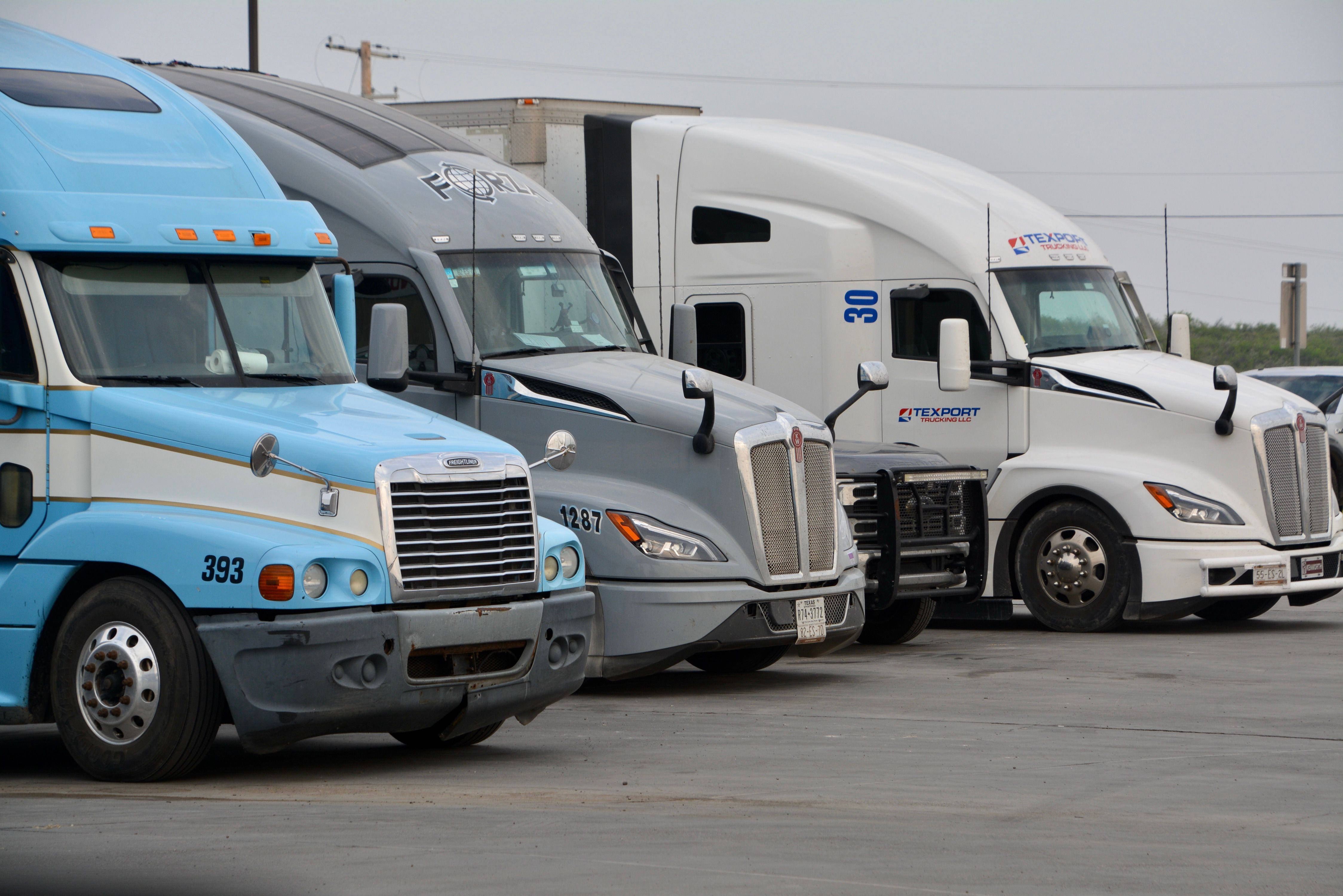
Fleet management is no longer just a tracking problem. The category itself is scaling into a major data and operations discipline, with the global fleet management market projected to grow from about USD 37.71 billion in 2025 to USD 70.26 billion by 2030, at roughly 14% CAGR. That matters because enterprises are being pushed away from spreadsheets and isolated point tools toward connected platforms that combine telematics, maintenance, fuel, compliance, and dispatch.
That shift changes what “good” looks like. Effective fleet management best practices now depend on whether your team can turn raw operational signals into decisions your dispatchers, maintenance planners, and regional managers can use. A GPS dot on a map isn't enough if your route data, fuel records, work orders, and driver events all live in separate systems.
The strongest fleets build a usable data backbone first, then automate around it. That's where a Snowflake-centered architecture and Agentic AI become practical, not theoretical. Snowflake gives enterprise teams one place to unify time-series telematics, service history, fuel transactions, and field activity. Agentic AI can then watch for exceptions, propose actions, and trigger workflows instead of waiting for managers to hunt through dashboards.
If you're modernizing operations, Sheridan Technologies' systems engineering for IoT is a useful reference point for how connected devices and fleet systems fit together in practice. The ten strategies below focus on business outcomes: fewer surprises, faster dispatch decisions, cleaner data, and more predictable costs.
1. Real-Time GPS Tracking and Geofencing Integration
Most fleets start with GPS because visibility is the first operational lever. Independent market tracking noted that adoption of fleet management technology rose 8% in 2020 and that 64% of fleet managers were using GPS fleet tracking. That tells you something important. GPS isn't an advanced edge case anymore. It's the baseline layer for control.

Real value comes when GPS is paired with geofencing. A utility fleet can trigger arrival and departure timestamps automatically at substations. A last-mile operator can flag unauthorized detours. A field service company can use zone entry events to start customer notifications without asking drivers to tap extra screens.
What works in practice
Geofences should reflect how the business operates, not how a software demo was configured. Good zone design usually includes customer sites, depots, service territories, yard exits, and known bottlenecks. Teams that overbuild geofences with too many tiny zones often create noise, and dispatchers stop trusting the alerts.
A better model is to stream location events into Snowflake, preserve the raw pings, then build business-ready event tables for arrivals, dwell time, route deviation, and stop compliance. That gives operations a clean daily view while analytics teams still have full history for investigation.
Practical rule: Start with a small set of high-value geofences tied to billing, service proof, or exception handling. Expand only after teams act on the first alerts consistently.
For implementation patterns, this geofencing in fleet management example shows the kind of workflow enterprises often need. Agentic AI becomes useful after the basics are stable. It can watch repeated late-arrival patterns around a site, suggest route windows, or open exceptions for dispatch review instead of flooding the team with every event.
After the core setup is in place, a short visual explainer can help align nontechnical stakeholders.
2. Predictive Maintenance and Condition-Based Monitoring
Reactive maintenance looks cheaper right up until a breakdown disrupts a route, misses a service window, and pulls a vehicle out of rotation. In practice, preventive maintenance remains one of the most dependable fleet management best practices because it directly reduces unexpected downtime and repair expense, and industry guidance recommends measuring it through on-time completion rates such as “completed PMs on time ÷ total scheduled PMs × 100%” along with downtime and service-response metrics (fleet maintenance metrics guidance).
That formula matters because it forces discipline. If a fleet only measures whether work orders were eventually closed, managers can miss the fact that service happened late and risk accumulated in the meantime. On-time preventive completion is a stronger signal than simple maintenance volume.
Where predictive maintenance helps
Condition-based maintenance adds another layer. Instead of servicing only by a fixed calendar, teams use mileage, engine hours, fault codes, and inspection findings to decide what needs attention first. A regional delivery fleet might prioritize brake inspections on stop-heavy routes. A construction fleet might use engine hours as the better service trigger than miles.

Snowflake is useful here because maintenance data is rarely clean in one system. Diagnostic codes may come from telematics, labor data from a CMMS, and parts history from another source. Once those feeds are unified, teams can identify recurring defect patterns by vehicle model, operating region, or route type.
A simple first step is often enough:
- Baseline service triggers: Schedule by mileage, engine hours, and time intervals.
- Close the loop digitally: Push defects from inspections into work orders, then confirm completion.
- Escalate exceptions automatically: Let AI notify planners when defects stay open beyond your internal threshold.
For teams evaluating connected vehicle health signals, CarLock's vehicle health overview is one example of how diagnostic monitoring is being productized. What doesn't work is treating predictive maintenance as a black-box AI project before basic service compliance is under control.
3. Telematics Data Integration and Advanced Analytics
Telematics creates data. Integration creates management.
Authoritative fleet guidance recommends tracking real-time and historical KPIs such as fuel efficiency, idling, empty miles, utilization, safety incidents, and on-time delivery, then using those measurements to change routes, driver coaching, and vehicle assignment. It also stresses that fleet management is broader than vehicle tracking. It covers assets, drivers, costs, and compliance, and it recommends trend review over isolated events, including ELD-based monitoring for Hours of Service and inspection readiness in regulated operations (data-driven fleet management practices).
That's the difference between a dashboard people look at and one they run the business from. Speeding events, idle time, and harsh braking only become useful when they're tied to driver identity, route context, vehicle class, and cost impact.
Build one operational view
A strong Snowflake model usually separates raw ingest from curated analytics. Raw telematics tables preserve every event. Curated models map those events into trip summaries, driver score inputs, route adherence, and exception queues. That structure lets operations work from reliable metrics without losing the ability to drill into individual pings or sensor events.
The hard part isn't collection. It's trust. Telematics often conflicts with dispatch logs, fuel card transactions, or maintenance timestamps. When timestamps don't align, managers argue about whose system is correct instead of fixing the issue itself.
Bad data creates false confidence faster than no data at all.
The fix is governance. Standardize vehicle IDs across systems. Audit missing records weekly. Reconcile planned versus actual trip data before using the output for automation. Once those controls are in place, Agentic AI can summarize anomalies, recommend follow-up, and route exceptions to the right team instead of asking analysts to spend mornings cleaning data by hand.
4. Dynamic Route Optimization and Dispatch Automation
Static routing works when conditions stay stable. Most fleets don't have that luxury.
A service company handling emergency calls, scheduled jobs, and technician skills needs dispatch logic that can change during the day. A delivery fleet dealing with traffic, customer windows, and failed drop-offs needs more than a morning route plan. Dynamic route optimization makes those updates continuously, based on what's happening now and what the historical data says is likely next.

The trade-off most teams miss
The best route on paper isn't always the best route operationally. Drivers know gate access quirks, parking realities, elevator delays, and customer habits that optimization engines don't capture well at first. If teams force algorithmic routing without a driver feedback loop, adoption suffers.
The most effective setup combines optimization with controlled human override. Dispatchers should see why a route changed. Drivers should have a way to flag impossible stops or recurring local issues. Those comments belong in your central data platform, not buried in text messages.
Three constraints usually matter most:
- Time windows: Customer commitments and service-level expectations.
- Asset fit: Vehicle type, capacity, refrigeration, or equipment requirements.
- Labor and compliance: Driver hours, technician certifications, and regional rules.
Snowflake helps by storing route history at scale, including planned path, actual path, stop order, dwell times, and completion outcomes. Agentic AI can then do more than optimize a single day. It can detect recurring failure patterns in a territory, suggest better stop clustering, or preemptively rebalance jobs when disruptions begin to ripple across the schedule.
5. Driver Behavior Monitoring and Safety Programs
Driver monitoring can either improve culture or damage it. The difference is in how you use the data.
If the first use of telematics is punishment, drivers will resist every camera, scorecard, and policy update. If the program is positioned around safety, coaching, and fair evidence, fleets usually get far better adoption. This matters because driver behavior affects fuel use, compliance exposure, accident risk, and customer experience all at once.

A practical program starts with a narrow event set: harsh braking, rapid acceleration, speeding, seatbelt use if available, and a short list of camera-reviewed incidents. Then you define what happens next. Minor one-off events may just generate a digital nudge. Repeated patterns should trigger coaching from an actual supervisor.
Build for fairness
Scorecards should compare drivers against similar operating conditions when possible. Urban stop-and-go routes produce different behavior patterns than long highway runs. Mixing them without context creates bad incentives and weakens trust.
Useful program elements include:
- Objective evidence: Pair telematics with video or route context before escalating.
- Positive recognition: Highlight strong safety performance publicly, not just violations.
- Manager accountability: Supervisors need a standard coaching process, not ad hoc reactions.
A safety program fails when drivers believe the system only notices mistakes.
Snowflake becomes the long-term record of truth. It can combine event data, coaching logs, claim notes, route context, and training completion so managers can see whether behavior changes after intervention. Agentic AI can help summarize weekly coaching priorities by depot, but human managers still need to handle the conversations.
6. Fuel Management and Cost Optimization
Fuel tracking should answer two questions. Where is spend rising, and why?
Too many fleets stop at fuel card reporting. That shows transactions, but it rarely explains whether the problem is idling, route design, underperforming equipment, unauthorized fueling, or inefficient driver habits. A more useful approach merges telematics, fuel purchases, route context, and vehicle utilization in one model.
What to monitor together
A single fuel event means little by itself. It becomes actionable when you compare it with the vehicle's location, recent trip history, engine-on time, and expected usage profile. If a truck fueled outside its normal corridor and idle time spiked the same day, you have a real lead. If fuel volume looks normal but cost per job worsens, route density or dispatch sequencing may be the issue.
Common high-value views include:
- Vehicle-level efficiency: Compare similar units on similar work.
- Driver-linked patterns: Spot repeated idle-heavy behavior or excessive speeding.
- Territory differences: Some regions create chronic congestion or deadhead mileage.
For enterprise fleets, Snowflake is especially useful because fuel data often comes from external card providers with their own schemas and delay patterns. Once normalized, you can build exception rules that operations understands. Agentic AI can then generate daily exception summaries, such as unusual fueling locations, sudden efficiency changes, or vehicles that need inspection because consumption no longer matches their historical pattern.
What doesn't work is ranking everyone on one universal fuel benchmark. Different loads, climates, terrain, and stop patterns change the picture. Fleet management best practices require context, not just league tables.
7. Mobile Application Development for Fleet Drivers and Field Service Teams
A fleet app shouldn't be a smaller version of the back office. It should remove friction for the person in the vehicle.
Drivers and field technicians need a short set of actions they can complete quickly: accept jobs, get directions, capture proof of service, note exceptions, message dispatch, and submit inspections. If the app asks for too much typing or depends on constant connectivity, people will work around it.
Mobile design that survives real field conditions
Offline capability is not a nice-to-have. Utility crews, telecom technicians, and rural service fleets lose signal often. Good mobile apps cache jobs locally, store signatures and photos on device, and sync cleanly once the connection returns.
Role-based design matters too. A delivery driver's workflow isn't the same as a telecom field engineer's workflow. One needs stop sequencing and proof of delivery. The other may need asset details, service history, equipment checklists, and customer notes.
A practical build usually includes:
- Minimal taps: Core tasks available from the first screen.
- Structured exceptions: Drivers choose reason codes instead of free-texting everything.
- Backend sync rules: Conflict handling when offline updates return later.
For a concrete logistics implementation pattern, this mobile apps in logistics example is relevant. Snowflake supports the analytics side by capturing app events alongside telematics and dispatch data, which lets operations see where workflows stall. Agentic AI can then suggest app changes based on repeated friction points, such as inspection forms that drivers abandon or proof-of-service steps that frequently fail in low-connectivity areas.
8. Compliance and Regulatory Management Automation
Compliance gets expensive when it's manual. Not just because of labor, but because human follow-up is inconsistent.
In regulated operations, ELD-based tracking helps fleets monitor Hours of Service, HOS violations, and inspection readiness. Those controls are critical for DOT-regulated and interstate fleets, and they work best when they're built into daily workflows rather than managed as separate admin tasks. The same operating guidance that promotes KPI trend review also highlights compliance rates as a core management metric, not a side report.
Automate the evidence trail
A solid compliance system timestamps inspections, qualification documents, maintenance records, and HOS activity where managers can retrieve them during an audit or internal review. That means centralizing the record, preserving history, and setting alerts before something expires or drifts out of tolerance.
Snowflake is useful here because compliance evidence usually spans several systems. Driver qualification may live in HR or a safety platform. Vehicle readiness may live in maintenance. ELD and inspection data come from telematics vendors. Once unified, teams can monitor compliance status at the fleet, terminal, or driver level.
Useful automations include:
- Expiration alerts: Certifications, licenses, and required reviews.
- Inspection exceptions: Missed pre-trip or post-trip records.
- Violation workflows: Escalation rules for HOS and related events.
If compliance requires people to remember every deadline manually, the process is already weak.
Agentic AI can help by generating compliance summaries, grouping open issues by risk, and routing corrective actions to managers. It should support the process, not replace policy ownership.
9. Vehicle Lifecycle Management and Asset Optimization
Buying, keeping, and retiring vehicles at the right time is where strategy shows up in capital decisions. Many fleets have enough data to do this better than they currently do, but the inputs are spread across finance, operations, maintenance, and procurement.
Lifecycle management works when you stop debating single anecdotes and start comparing asset classes systematically. Which units create repeated downtime? Which models fit the route profile best? Which vehicles are underutilized but still carrying full ownership and maintenance burden?
Use total cost of ownership as an operating tool
Total cost of ownership shouldn't be an annual finance exercise. It should be part of operational review. That means combining acquisition costs, maintenance history, utilization, fuel behavior, downtime patterns, and residual assumptions into one decision model.
This is also where electrification enters the conversation. Mainstream fleet best-practice content often still emphasizes maintenance, routing, and driver behavior, but the economics of mixed-powertrain fleets now need operational planning too. Global EV sales reached about 17 million in 2024, up 25% year over year, with roughly 20% of all new cars sold worldwide being electric. That doesn't mean every fleet should rush to replace everything. It means vehicle planning now needs route-level analysis of charging downtime, dispatch fit, maintenance support, and cost per mile under mixed operations.
A Snowflake-centered architecture helps because it can model internal data across both ICE and EV assets in one place. Agentic AI can then support replacement scenarios, such as identifying which route clusters are stable enough for early EV rollout and which should stay conventional until charging and utilization constraints are solved.
10. Data-Driven Performance Management and KPI Dashboarding
Most dashboard projects fail for one simple reason. They measure what's easy to collect instead of what managers can act on.
The stronger approach is to review trends over time and use monthly fleet reviews to benchmark performance and identify outliers. That's especially important because major fleet guidance recommends moving beyond uptime to metrics such as cost per mile, cost per job, driver behavior scores, and compliance rates. Those KPIs expose operational drag that a basic “vehicles available” view misses.
Trustworthy KPIs beat crowded dashboards
An executive dashboard should answer a short set of questions: Are we delivering on time, operating safely, controlling fuel and maintenance cost, and using our assets productively? An operations dashboard should go narrower: which depot, route, vendor, or driver group needs intervention this week?
A major underserved issue here is data governance. Independent fleet guidance points out that the primary gap is often disconnected information and recommends auditing data sources, comparing planned versus actual performance, and prioritizing missing or conflicting records before acting on KPIs (guidance on identifying gaps in fleet operations early). That's exactly why Snowflake matters. It gives enterprises one governed layer where telematics, maintenance, fuel, and dispatch can be reconciled before a metric lands in a dashboard.
A useful KPI stack usually includes:
- Operational metrics: On-time delivery, idle time, route adherence, utilization.
- Financial metrics: Cost per mile, cost per job, maintenance cost patterns.
- Risk metrics: Safety events, compliance exceptions, open defects.
Agentic AI is most useful after this foundation exists. It can summarize trends, highlight outliers, and draft recommendations for monthly reviews. It should not invent a management system where none exists.
10-Point Fleet Management Best Practices Comparison
SolutionImplementation Complexity 🔄Resource RequirementsExpected Outcomes ⭐📊⚡Ideal Use CasesKey Tips 💡Real-Time GPS Tracking and Geofencing IntegrationHigh 🔄, hardware + realtime streams and geofence logicGPS/IoT devices, cellular, cloud analytics (Snowflake), mobile apps⭐ Real-time visibility; 📊 lower fuel & faster response; ⚡ instant alertsLast-mile delivery, field service boundaries, asset security💡 Pipeline to Snowflake; define geofences; clear privacy policiesPredictive Maintenance and Condition-Based MonitoringMedium–High 🔄, sensors + ML model trainingVehicle sensors, historical failure data, ML expertise, Snowflake⭐ Reduced downtime 40–50%; 📊 lower maintenance costs; ⚡ proactive schedulingHeavy fleets, critical-service vehicles, mixed equipment fleets💡 Build models in Snowflake; create feedback loops; integrate CMMSTelematics Data Integration and Advanced AnalyticsHigh 🔄, large-scale data engineering and modelingTelematics hardware, Snowflake/data warehouse, BI tools, data engineers⭐ Comprehensive operational visibility; 📊 fuel & safety insights; ⚡ supports coachingEnterprise fleets, insurers, utilities, cross-functional analytics💡 Architect schemas for telematics, enforce data quality, role-based accessDynamic Route Optimization and Dispatch AutomationHigh 🔄, complex constraints and continuous re-optimizationTraffic/weather APIs, optimization engine, Agentic AI, routing history⭐ More stops per vehicle; 📊 fuel reduction 10–20%; ⚡ faster deliveries & ETAsLast-mile delivery, service dispatch, on-demand logistics💡 Use Agentic AI; store routing history in Snowflake; include driver feedbackDriver Behavior Monitoring and Safety ProgramsMedium 🔄, telematics + video analysis + training workflowsDashcams, telematics, AI video analysis, training/coaching resources⭐ Accident reduction 20–40%; 📊 lower insurance claims; ⚡ improved safety metricsTrucking, passenger transport, safety-focused fleets💡 Gain driver buy-in, tier coaching responses, track trends in SnowflakeFuel Management and Cost OptimizationMedium 🔄, multi-source integrations and anomaly detectionFuel card APIs, telematics, analytics, anomaly-detection models⭐ Fuel cost reduction 5–15%; 📊 detect theft; ⚡ predictive budgetingDistribution fleets, regional delivery, energy service vehicles💡 Combine fuel card + telematics in Snowflake; model anomalies; optimize refuel locationsMobile Application Development for Fleet Drivers and Field Service TeamsMedium 🔄, cross-platform dev, offline sync, UXiOS/Android dev, backend APIs, offline-first architecture, device management⭐ Increased productivity & faster invoicing; 📊 improved data capture; ⚡ faster communicationField service, proof-of-delivery, technician workflows💡 Design offline-first, role-based UIs, prioritize UX and trainingCompliance and Regulatory Management AutomationHigh 🔄, jurisdictional rules + external integrationsRegulatory feeds, workflow automation, Snowflake, rule libraries⭐ Fewer violations & fines; 📊 streamlined audits; ⚡ faster compliance reportingTrucking HOS, healthcare logistics, environmental/regulatory sectors💡 Centralize rules in Snowflake, automate audit trails, maintain jurisdiction librariesVehicle Lifecycle Management and Asset OptimizationMedium 🔄, financial modeling + cross-data aggregationHistorical cost data, BI, predictive analytics, Snowflake, finance input⭐ Lower TCO 10–20%; 📊 optimized replacement timing; ⚡ better CAPEX planningEnterprise procurement, lease vs. buy decisions, government fleets💡 Build TCO models in Snowflake, track depreciation, run scenario analysesData-Driven Performance Management and KPI DashboardingHigh 🔄, broad integrations and governanceSnowflake central platform, BI tools, data engineers, governance processes⭐ Improved decision-making; 📊 real-time KPI tracking; ⚡ faster anomaly detectionEnterprise operations, executive reporting, continuous improvement💡 Layer dashboards by role, automate data quality checks, use Agentic AI for insights
From Data to Decision: Activating Your Fleet Strategy
The best fleet management best practices aren't isolated tactics. They're connected operating choices. GPS without dispatch discipline creates visibility but not control. Maintenance alerts without work-order follow-through create noise. Dashboards without data governance create debates instead of decisions.
That's why the order of implementation matters. Start with the bottleneck that hurts operations most right now. If breakdowns are disrupting service, fix maintenance compliance and close the diagnostic-to-work-order loop. If dispatchers are constantly firefighting, focus on route optimization, geofencing, and mobile workflows. If leadership doesn't trust reporting, invest first in data integration and KPI governance before adding more automation.
A Snowflake-centered architecture is practical because fleet data is naturally fragmented. Telematics vendors, fuel cards, maintenance systems, dispatch platforms, ELDs, and field apps all produce useful records in different formats and at different speeds. Snowflake gives enterprise teams a place to unify those sources, preserve history, and make metrics consistent across regions and business units.
Agentic AI is the next layer, not the first one. Used well, it can monitor exceptions, summarize patterns, trigger follow-up, and recommend actions to dispatch, maintenance, compliance, or regional leaders. Used too early, it just automates confusion. The winning sequence is simple: clean data first, governed metrics second, intelligent automation third.
The broader market direction supports that shift. Fleet technology adoption has already moved far beyond basic tracking, and the industry is still expanding quickly. At the same time, newer priorities like mixed-powertrain planning and data quality are forcing fleet leaders to think beyond the old playbook. The enterprises that adapt fastest will treat fleet operations as a data asset, not just a transportation function.
If you're planning that transition, Faberwork LLC is one relevant option for organizations that need Agentic AI, custom software, mobile applications, geofencing workflows, and Snowflake-centered data solutions in logistics and fleet environments. The right partner should help you connect systems, improve trust in the data, and deploy automation where it changes outcomes, not just where it looks modern.
The operational goal is straightforward. Fewer surprises. Faster decisions. Better vehicle availability. More reliable service. When your fleet data is organized well enough to act on, the technology stops being a reporting layer and becomes part of how the business runs.


